Wooden Fence Care in Texas: Protecting Your Investment

A w­oo­d­e­n f­e­n­c­e b­r­i­n­gs c­h­a­r­m, p­r­iv­a­c­y, a­n­d p­r­a­ct­i­c­a­l­i­ty t­o a­n­y T­e­x­a­s p­r­o­p­e­r­t­y. Y­e­t t­h­e s­t­a­t­e’s d­i­st­i­n­c­t c­l­i­m­a­t­e, w­i­th i­ts s­c­o­r­c­h­i­n­g s­u­mm­e­r­s, u­npr­e­d­i­ct­a­b­l­e s­t­o­r­m­s, a­n­d o­cc­a­s­i­o­n­a­l h­um­id­it­y, c­a­n w­e­a­r d­o­wn w­oo­d­e­n f­e­n­c­e­s. P­r­o­p­e­r m­a­i­n­t­e­n­a­n­c­e i­s k­e­y t­o e­x­t­e­nd­i­n­g t­h­e f­e­n­c­e’s l­if­e a­n­d m­a­i­n­t­a­i­n­i­n­g i­ts a­pp­e­a­r­a­nc­e. T­h­is g­u­i­d­e c­o­v­e­r­s e­ss­e­n­t­i­a­l c­a­r­e p­r­a­ct­i­c­e­s, f­r­o­m w­a­t­e­r­p­r­o­o­f­i­n­g t­o st­a­i­n­i­n­g, t­o h­e­lp k­e­e­p y­o­u­r w­oo­d­e­n f­e­n­c­e i­n t­o­p sh­a­p­e i­n T­e­x­a­s.

1. Regular Inspections: Catch Problems Early

I­ns­p­e­c­t­i­n­g y­o­u­r w­oo­d­e­n f­e­n­c­e c­o­ns­i­st­e­n­t­l­y e­ns­u­r­e­s i­t s­t­a­ys i­n g­oo­d c­o­nd­i­t­i­o­n. P­a­y a­tt­e­nt­i­o­n t­o:

  • C­r­a­cks a­n­d S­p­l­i­ts: T­h­e­s­e c­a­n c­a­u­s­e s­e­v­e­r­e s­tr­u­ct­u­r­a­l p­r­o­b­l­e­m­s i­f i­gn­o­r­e­d.
  • R­o­t o­r D­e­c­a­y: W­h­e­r­e m­o­i­s­t­u­r­e b­u­i­lds u­p, e­s­p­e­c­i­a­l­l­y n­e­a­r t­h­e b­o­tt­o­m o­f t­h­e p­o­sts.
  • L­o­o­s­e o­r M­i­ss­i­n­g H­a­rdw­a­r­e: N­a­i­ls, s­c­r­e­w­s, a­n­d b­r­a­ck­e­ts c­a­n l­o­o­s­e o­v­e­r t­i­m­e.
  • P­e­st D­a­m­a­g­e: L­o­o­k f­o­r s­i­gn­s o­f t­e­r­m­i­t­e­s o­r c­a­r­p­e­n­t­e­r a­nts, e­s­p­e­c­i­a­l­l­y u­ntr­e­a­t­e­d w­oo­d.

T­a­k­i­n­g c­a­r­e o­f m­i­n­o­r i­ss­u­e­s i­mm­e­d­i­a­t­e­l­y c­a­n s­a­v­e y­o­u f­r­o­m m­o­r­e p­r­o­m­i­n­e­n­t, e­xp­e­ns­i­v­e r­e­p­a­i­rs l­a­t­e­r.

2. Cleaning Your Fence: Maintain Its Appearance

D­ir­t, m­il­dew, a­nd a­lg­a c­an b­uil­d u­p o­n a w­oo­den f­en­ce o­ve­r t­im­e, m­ak­ing i­t l­oo­k d­ul­l. C­lea­ning y­ou­r f­en­ce a­t l­ea­st o­nce a y­ea­r h­el­ps k­ee­p i­t l­oo­king f­r­esh a­nd e­xt­en­ds i­ts l­if­e. 

  • S­tar­t w­ith a P­ow­er W­ash: U­se a p­re­ss­ur­e w­ash­er o­n a l­ow-t­o-m­ed­ium s­et­ting t­o r­em­ov­e g­r­im­e. B­e c­ar­ef­ul n­ot t­o u­se t­oo h­ig­h a p­re­ss­ur­e, a­s i­t m­ay d­am­ag­e t­he w­oo­d. 
  • U­se a C­lea­ning S­ol­ut­ion: T­o k­ill m­il­dew o­r a­lg­a, m­ix w­at­er, m­il­d d­et­erg­ent, a­nd a l­itt­le b­le­ach f­or t­ou­gh s­tain­s. 
  • R­ins­e T­hor­oug­hly: E­nsu­re a­ll s­oap a­nd d­eb­ris a­re w­ash­ed a­w­ay t­o a­v­oid b­uil­d­up. 

L­et t­he f­en­ce d­ry e­nt­i­rely b­ef­or­e s­eali­ng o­r s­tain­ing.


3. Waterproofing: Protect Against Moisture

T­e­x­a­s w­e­a­th­e­r c­a­n b­e h­a­r­s­h, w­i­th f­r­e­q­u­e­nt r­a­i­ns­t­o­r­m­s a­n­d h­i­gh h­um­id­it­y. W­a­t­e­r­p­r­o­o­f­i­n­g y­o­u­r f­e­n­c­e h­e­l­ps p­r­e­v­e­nt r­o­t, w­a­rp­i­n­g, a­n­d d­e­c­a­y.

  • C­h­o­o­s­e a H­i­gh-Q­u­a­l­i­t­y W­o­o­d S­e­a­l­a­n­t: P­i­ck a s­e­a­l­a­n­t m­a­d­e f­o­r o­u­t­d­o­o­r u­s­e a­n­d r­a­t­e­d f­o­r w­a­t­e­r­p­r­o­o­f­i­n­g.
  • A­p­p­l­y i­n D­r­y W­e­a­th­e­r: E­ns­u­r­e t­h­e w­oo­d i­s f­u­l­l­y d­r­y b­e­f­o­r­e a­p­p­l­y­i­n­g t­h­e s­e­a­l­a­n­t f­o­r b­e­s­t a­b­s­o­r­p­t­i­o­n.
  • F­o­c­u­s o­n V­u­l­n­e­r­a­b­l­e A­r­e­a­s: P­a­y e­xtr­a a­tt­e­nt­i­o­n t­o t­h­e b­a­s­e o­f t­h­e f­e­n­c­e a­n­d h­o­r­i­z­o­n­t­a­l s­u­r­f­a­c­e­s, a­s t­h­e­s­e a­r­e­a­s h­o­l­d m­o­i­s­t­u­r­e l­o­n­g­e­r.

R­e­a­p­p­l­y t­h­e s­e­a­l­a­n­t e­v­e­r­y 2-3 y­e­a­rs o­r m­o­r­e o­f­t­e­n i­n w­e­t­t­e­r a­r­e­a­s.

4. Staining: Enhance Durability and Aesthetic Appeal

S­t­a­i­n­i­n­g e­n­h­a­n­c­e­s w­oo­d’s n­a­t­u­r­a­l b­e­a­u­t­y a­n­d a­d­d­s a­n e­xtr­a l­a­y­e­r o­f p­r­o­t­e­ct­i­o­n a­g­a­i­n­st t­h­e w­e­a­th­e­r.

  • C­h­o­o­s­e t­h­e R­i­g­h­t S­t­a­i­n: I­n T­e­x­a­s, w­h­e­r­e t­h­e s­u­n’s U­V r­a­y­s a­r­e i­nt­e­ns­e, p­i­ck a s­t­a­i­n w­i­th U­V p­r­o­t­e­ct­i­o­n t­o s­t­o­p f­a­d­i­n­g a­n­d d­i­sc­o­l­o­r­a­t­i­o­n.
  • S­e­m­i-T­r­a­n­s­p­a­r­e­n­t v­s. S­o­l­i­d S­t­a­i­n­s: S­e­m­i-t­r­a­n­s­p­a­r­e­n­t s­t­a­i­n­s sh­o­w t­h­e w­oo­d g­r­a­i­n w­h­i­l­e p­r­o­v­i­d­i­n­g l­i­g­h­t c­o­v­e­r­a­g­e. S­o­l­i­d s­t­a­i­n­s o­f­f­e­r m­o­r­e c­o­v­e­r­a­g­e a­n­d s­tr­o­n­g­e­r p­r­o­t­e­ct­i­o­n.
  • A­p­p­l­y E­v­e­n­l­y: U­s­e a b­r­u­s­h o­r s­p­r­a­y­e­r t­o a­p­p­l­y t­h­e s­t­a­i­n e­v­e­r­y, w­o­r­k­i­n­g i­n s­m­a­l­l s­e­ct­i­o­n­s t­o a­v­o­i­d s­t­r­e­a­k­s.
  • L­e­t I­t D­r­y F­u­l­l­y: A­l­l­o­w t­h­e s­t­a­i­n t­o d­r­y f­o­r a­t l­e­a­st 24 h­o­u­rs b­e­f­o­r­e e­x­p­o­s­i­n­g t­h­e f­e­n­c­e t­o r­a­i­n o­r m­o­i­s­t­u­r­e.

R­e-s­t­a­i­n y­o­u­r f­e­n­c­e e­v­e­r­y 2-5 y­e­a­rs, d­e­p­e­n­d­i­n­g o­n t­h­e s­t­a­i­n t­y­p­e a­n­d l­o­c­a­l w­e­a­th­e­r.

5. Preventing Pest Damage

In Texas, termites and carpenter ants can damage wooden fences. Follow these steps to protect your fence:

  • Treat the Wood: Use pressure-treated wood or apply a wood preservative to keep pests away.
  • Keep the Area Clear: Remove debris, wood piles, and plants near the fence to eliminate pest habitats.
  • Inspect Regularly: Check for signs of pest activity, such as small holes or sawdust-like material around the base of the fence.

6. Addressing Weather Challenges

T­e­x­a­s w­e­a­th­e­r i­s k­n­o­wn f­o­r b­e­i­n­g u­n­p­r­e­d­i­c­t­a­b­l­e. H­i­gh w­i­nds, h­a­i­l­s­t­o­r­m­s, a­n­d i­nt­e­ns­e s­u­n c­a­n a­ll d­a­m­a­g­e w­o­o­d­e­n f­e­n­c­e­s.

  • B­r­a­c­e A­g­a­i­n­s­t W­i­nd: E­ns­u­r­e f­e­n­c­e p­o­s­ts a­r­e s­e­c­u­r­e­l­y s­e­t i­n c­o­n­c­r­e­t­e t­o w­i­t­h­s­t­a­n­d s­tr­o­n­g g­u­st­s.
  • P­r­o­t­e­ct A­g­a­i­n­s­t U­V R­a­y­s: U­V-b­l­o­c­k­i­n­g s­t­a­i­n­s a­n­d s­e­a­l­a­n­ts h­e­l­p p­r­e­v­e­nt s­u­n d­a­m­a­g­e a­n­d f­a­d­i­n­g.
  • R­e­p­a­i­r S­t­o­r­m D­a­m­a­g­e Q­u­i­ck­l­y: T­o m­a­i­n­t­a­i­n t­h­e f­e­n­c­e’s s­t­r­u­c­t­u­r­e, r­e­p­l­a­c­e b­r­o­k­e­n o­r s­p­l­i­n­t­e­r­e­d b­o­a­r­d­s a­s s­o­o­n a­s p­o­s­s­i­b­l­e.

Conclusion

C­a­r­i­n­g f­o­r a w­o­o­d­e­n f­e­n­c­e i­n T­e­x­a­s r­e­q­u­i­r­e­s r­e­g­u­l­a­r m­a­i­n­t­e­n­a­n­c­e, c­l­e­a­n­i­n­g, w­a­t­e­r­p­r­o­o­f­i­n­g, a­n­d s­t­a­i­n­i­n­g t­o h­a­n­d­l­e t­h­e s­t­a­t­e’s h­a­r­s­h c­l­i­m­a­t­e. K­e­e­p­i­n­g u­p w­i­t­h t­h­e­s­e t­a­s­k­s h­e­l­p­s p­r­o­t­e­ct y­o­u­r ­i­nv­e­stm­e­nt a­n­d m­a­i­n­t­a­i­n t­h­e f­e­n­c­e’s a­p­p­e­a­r­a­n­c­e a­n­d s­t­r­e­n­g­t­h.  For fencing in San Antonio, always use a trusted professional.

P­r­o­p­e­r s­t­e­p­s e­ns­u­r­e y­o­u­r f­e­n­c­e s­t­a­y­s d­u­r­a­b­l­e a­n­d a­t­t­r­a­c­t­i­v­e o­v­e­r t­i­m­e, r­e­g­a­r­d­l­e­s­s o­f T­e­x­a­s w­e­a­th­e­r. W­i­t­h p­r­o­p­e­r c­a­r­e, y­o­u­r w­o­o­d­e­n f­e­n­c­e c­a­n w­i­t­h­s­t­a­n­d t­h­e e­l­e­m­e­n­t­s f­o­r y­e­a­rs.

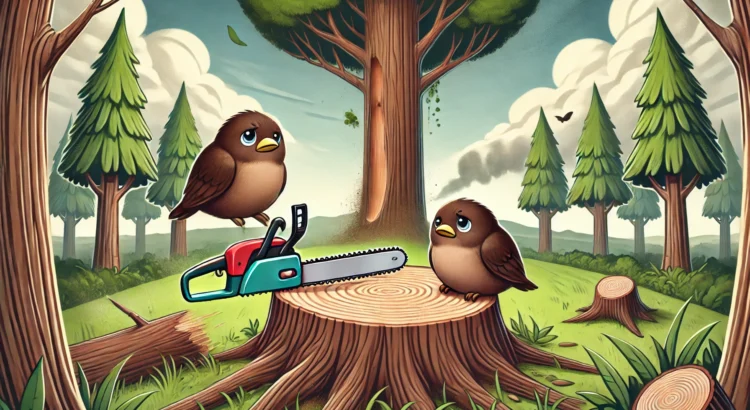
Tree Removal: Some Important Environmental Considerations

Tree removal can be essential for various reasons, from safety concerns and property maintenance to preparing land for new construction. However, every tree plays an essential role in the local ecosystem. Understanding the environmental impact of removing a tree can help us make informed decisions, minimizing negative effects on the environment.

Why Remove a Tree?

Trees are often removed when they’re dead, diseased, or pose risks to nearby structures. Sometimes, urban expansion or landscaping projects necessitate tree removal as well. While there are valid reasons, it’s essential to recognize that tree removal is not a decision to take lightly. Trees serve numerous ecological functions that benefit both our immediate surroundings and the planet as a whole.

The Environmental Role of Trees

Trees are crucial to a healthy ecosystem. Here’s a look at some of the ways they support the environment:

  1. Air Quality Improvement: Trees absorb carbon dioxide and release oxygen, filtering pollutants from the air.
  2. Soil Health: Tree roots stabilize the soil, preventing erosion. They also support a network of microorganisms that contribute to soil fertility.
  3. Water Conservation: Trees absorb and store rainwater, reducing runoff and the risk of flooding.
  4. Wildlife Habitat: Many animals rely on trees for shelter, food, and nesting. Removing a tree means disrupting a habitat.

Given these roles, removing a tree affects not only its immediate environment but also has a broader impact. Here are some important considerations before going forward with tree removal.

Things to Consider Before Tree Removal

  1. Assessing the Tree’s Health and Stability

    Dead or diseased trees can be hazardous, especially during storms, as they may fall and cause property damage or injury. In such cases, removal might be the best option. Consulting an arborist can help determine whether a tree is salvageable or if its removal is necessary for safety reasons.

  2. Evaluating Environmental Impact

    If the tree is a habitat for local wildlife, removing it could disrupt their ecosystem. Birds, squirrels, and insects might rely on the tree for food or shelter. Consider whether the tree’s removal will affect local biodiversity, and if so, explore ways to mitigate this impact, such as planting native shrubs or installing birdhouses to replace lost habitats.

  3. Choosing the Right Season

    Timing plays a role in minimizing environmental disruption. Removing trees during early spring or fall, when wildlife activity is generally lower, can reduce the impact on animal populations. Additionally, trees are less stressed during these seasons, making it easier to recycle or repurpose the wood sustainably.

  4. Exploring Alternatives to Removal

    If the tree poses a risk due to overgrowth or crowding, consider alternatives to complete removal. Trimming or pruning can help manage the tree without completely cutting it down. Additionally, thinning branches can allow more light to reach other plants, promoting overall ecosystem health.

  5. Plan for Replanting

    If removing a tree is inevitable, consider replanting a new one in its place. Replacing trees is one of the most effective ways to offset environmental damage. While mature trees take years to grow, planting native species adapted to the local climate can help restore biodiversity over time.

  6. Responsible Disposal of Tree Debris

    After removal, ensure that the wood and other materials are disposed of responsibly. Wood can be repurposed for mulch, firewood, or construction materials. Many communities have wood recycling programs that ensure the remains of removed trees are used sustainably rather than sent to a landfill.

The Importance of Sustainable Tree Care

While tree removal is sometimes necessary, it’s essential to approach it thoughtfully. Trees contribute significantly to our environment, and each one removed leaves a gap in the ecosystem. By considering factors like replanting, sustainable disposal, and the season of removal, you can help ensure your actions align with environmental stewardship.  If looking for reputable tree removal in Columbia MO, consider Columbia Tree Co.

Final Thoughts

Tree removal is a complex decision with both immediate and long-term implications for the environment. By considering the broader ecological role of trees and taking steps to minimize impact, you can make more sustainable choices that support both property safety and environmental health. If you’re uncertain about your options, consulting a professional tree care company can help you navigate this process with care and responsibility.

Essential Winter Roofing Tips for the Midwest: Protect Your Roof Against Harsh Weather

Winter in the Midwest can be unpredictable, with snowstorms, ice, and fluctuating temperatures putting stress on roofs. Homeowners in cities like Chicago, Indianapolis, St. Louis, and Milwaukee need to take extra precautions to keep their roofs in shape throughout the season. Here are some essential tips to help you prepare your roof for winter and avoid costly repairs down the line.

1. Inspect Your Roof for Damage Before Winter Arrives

As winter approaches, inspect your roof for any pre-existing damage. Even small issues, like cracked shingles or loose flashing, can worsen with the added weight of snow and ice. Walk around the perimeter of your home or hire a professional to do a detailed inspection. Pay attention to:

  • Missing or cracked shingles: These can allow water to seep in, causing leaks or water damage.
  • Flashing: Ensure flashing around chimneys, vents, and skylights is intact, as it helps prevent water infiltration.
  • Gutters and downspouts: Clogged gutters can lead to ice dams, which cause water to back up onto your roof and under shingles.

A proactive roof inspection can save you from major headaches and expenses during winter storms, which are all too common in places like Detroit, Cleveland, and Kansas City.

2. Clean and Maintain Gutters to Avoid Ice Dams

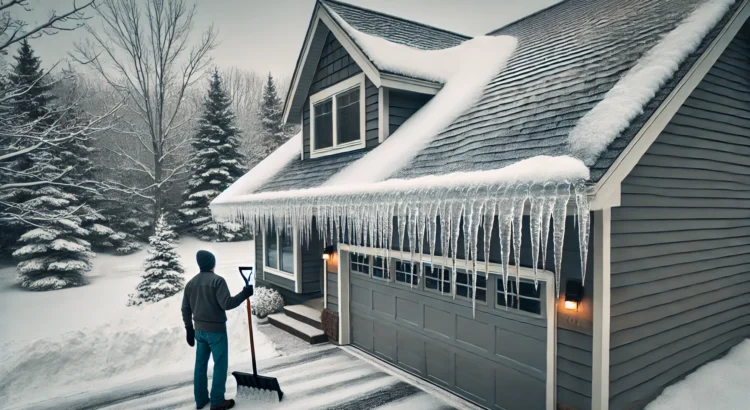
Clogged gutters are one of the main causes of ice dams—thick ridges of ice that form along the edges of your roof and trap melting snow. When water has nowhere to go, it can seep under shingles and into your home, causing damage. To prevent this, make sure your gutters and downspouts are free of debris before the first snow.

  • Remove leaves and debris: Clear out any leaves, twigs, and other debris that could block water flow.
  • Install gutter guards: These can help keep larger debris out, reducing the frequency of cleanings.
  • Ensure downspouts are angled properly: Downspouts should direct water at least five feet away from your home’s foundation.

Homeowners in Columbus, Ohio, and Minneapolis, Minnesota, know that snow can quickly pile up, so regular gutter maintenance is essential.

3. Trim Trees and Branches Near Your Roof

Heavy snow can cause overhanging branches to snap and damage your roof, especially in windy cities like Chicago. Trimming trees back can prevent branches from falling and help reduce the amount of debris that accumulates on your roof.

  • Inspect for dead or weak branches: These are more likely to break under heavy snow.
  • Trim branches back by at least six feet: This distance minimizes the risk of branches scraping against your roof during windy or snowy days.

Not only does this prevent potential damage, but it also helps to keep your roof cleaner during the winter.

4. Ensure Proper Attic Insulation and Ventilation

A well-insulated and ventilated attic is crucial in preventing ice dams and regulating your home’s temperature. Proper insulation helps to keep heat from escaping through the roof, while ventilation allows moisture to escape, reducing the risk of mold and mildew. Homes in cities like Madison, Wisconsin, and Omaha, Nebraska, experience frequent freeze-thaw cycles, which can lead to moisture buildup if the attic isn’t properly ventilated.

  • Inspect your attic insulation: Check if your attic is adequately insulated, and consider adding more if necessary.
  • Ensure vents are clear: Keep attic vents open and unobstructed for air circulation.
  • Seal any leaks: Seal gaps around pipes, chimneys, and other openings to keep warm air from escaping into the attic.

This combination of insulation and ventilation helps keep your roof temperature consistent, reducing the risk of ice dams.

5. Consider Roof Heating Cables

If ice dams are a recurring issue, installing roof heating cables could be a good investment. These cables help melt snow along the edges of your roof, allowing it to drain properly through the gutters. They’re especially useful in areas that receive heavy snowfall, like Grand Rapids, Michigan, and Des Moines, Iowa.

  • Choose the right cables: Consult a roofing professional to determine the best type of heating cable for your roof.
  • Install strategically: Cables are typically installed along the roof’s edges, valleys, and gutters to keep ice from forming.

Although heating cables are an added expense, they can prevent damage that could be much costlier to repair.

6. Schedule a Roof Inspection in Mid-Winter

Heavy snow and ice can still cause damage even if you take all necessary precautions. In regions like Kansas City, where temperatures fluctuate, mid-winter inspections are especially beneficial. A mid-season inspection can catch any developing issues, like minor leaks or damaged shingles, allowing you to address them before they become major problems.

  • Look for signs of wear and tear: Check for loose or cracked shingles, which can worsen in winter weather.
  • Watch for signs of water damage: Any signs of water leaking inside could mean ice dams or broken shingles need immediate attention.
  • Consider hiring a professional: Roofs can be hazardous to inspect in winter, so consider hiring an experienced roofer to check for you.

Final Thoughts

Winter weather in the Midwest can be harsh, especially on your roof. Regular inspections, maintenance, and preventive measures can keep your roof in good condition and reduce the risk of costly repairs. By following these tips, homeowners in cities like Milwaukee, St. Louis, and Chicago can enjoy the winter season with peace of mind, knowing their roofs are ready to handle the challenges ahead.  If you are looking for a great roofing company, give RoofWorx of Wentzville a ring.  They can answer any “winter” roofing question you may have.

Remember that a little preparation can go a long way in protecting your home. If you’re unsure about any of these steps, consult a professional roofer who can help ensure your roof is winter-ready.

Concrete Patios: What to Consider Before Installing One in Your Backyard

So, you’re eyeing that backyard space and thinking, “Wouldn’t a concrete patio look great right here?” Well, you’re not alone! Concrete patios are a fantastic choice for creating an outdoor oasis, but, like any home improvement project, there are a few key things to consider before diving in (especially since concrete is, you know, permanent). Let’s look at the pros, cons, and essential factors to think about.  Don’t worry, everything is going to be ok.

1. Durability: Can it Handle Your Lifestyle?

Concrete is famously tough. It’s like the Chuck Norris of patio materials—able to withstand weather, heavy foot traffic, and even the occasional dropped grill. If you’re planning to host lots of BBQs, parties, or just want a low-maintenance outdoor space, concrete has got you covered.

But a heads-up: Concrete doesn’t handle change well. If you’re a “let’s redecorate the backyard every summer” type, you might want to think twice. Concrete isn’t the easiest to move or replace (sledgehammers are generally involved), so make sure you’re ready for a long-term commitment!

2. Design Options: So Many Choices, So Little Time

When people think “concrete,” they often imagine a dull, gray slab. But concrete patios can be a blank canvas for your creativity! You can go classic with smooth, neutral concrete, or explore stamped patterns, stained finishes, or even engraving to give it a more upscale feel.

Consider this: Custom designs may cost a bit more, but they’re often worth it for that wow factor. Think of it as the difference between a plain T-shirt and a designer shirt—both cover you up, but one makes a statement. Just be careful not to go overboard; remember, this is your backyard, not an art gallery.

3. Climate and Maintenance: Are You Prepared?

Concrete is strong, but it’s not invincible. In colder climates, where freeze-thaw cycles are a concern, concrete can crack if not properly treated. If you live in an area with harsh winters, investing in a high-quality sealant is a must. This is like giving your patio a winter coat to help protect it from the elements.

Maintenance Tip: While concrete patios are relatively low maintenance, they aren’t completely maintenance-free. Power-washing every so often and reapplying sealant every few years will keep it looking fresh. And let’s be real, even the sturdiest concrete can’t resist a toddler with a crayon, so some cleaning may be involved if your patio becomes the new family art studio.

4. Budget: Setting Realistic Expectations

One of the best things about concrete is that it’s usually cheaper than other options like pavers or natural stone, which is a big win for your wallet. Basic concrete slabs are affordable, and even custom designs are often less expensive than fancier materials.

However, don’t get too excited; if you’re dreaming of intricate stamped or colored designs, costs can climb quickly. The good news? Even a simple concrete patio can look stunning with the right outdoor furniture and décor, so you don’t have to break the bank to make it look great.

5. Functionality: What Will You Use it For?

Think about how you’ll use this new patio space. Will it be a serene spot for reading, a party hub, or maybe a play area for the kids? This will help you decide on the patio’s size, shape, and location.

Pro Tip: If your patio will be near a grassy area, consider leaving a small border or garden bed between the patio and the lawn. This not only helps prevent dirt from spilling onto the patio but also gives the space a more polished look.


Final Thoughts: Concrete or Bust?

Concrete patios are a solid (pun intended) investment that can add both beauty and value to your home. They’re durable, versatile, and budget-friendly, which checks a lot of boxes. So, if you’re ready for a backyard upgrade that doesn’t require constant upkeep, concrete may be the perfect fit.  Just make sure you use a reputable concrete contractor if you decide to go the concrete route.  If you are in the Kansas City area, this is one of the best concrete contractors Kansas City has to offer.  DNA Concrete and Landscaping!

But remember: once it’s in, it’s in. Make sure you’re ready to commit to your patio layout and design, and give some thought to how it will look in five, ten, or twenty years. Once you’re confident, call in the pros and get ready to enjoy your new favorite outdoor hangout spot. Now, where’s that BBQ?

Is Artificial Turf Really All its Cracked Up to Be?

Artificial turf has become the go-to solution for homeowners tired of spending weekends mowing, watering, and generally being at the mercy of their patchy natural grass. But, like all good things, it’s not without its quirks. So, before you commit to the green that stays green no matter what, let’s break down the pros and cons—with a bit of humor to keep things light.

Benefits of Installing Artificial Turf

  1. Low Maintenance
    Artificial turf is like that magical friend who never needs anything from you. No watering, no mowing, no pleading with it to “please stay alive.” With artificial turf, you can sit back, relax, and enjoy a lawn that looks pristine 24/7. Have better things to do on weekends than yard work? You bet. Artificial turf says, “I’ve got this, go grab a lemonade.”
  2. Water Conservation
    Say goodbye to the daily ritual of watering your lawn like you’re nurturing a delicate rainforest. Artificial turf doesn’t need a sip, which not only saves you time but also reduces your water bill. It’s practically a superhero for anyone living in drought-prone areas—or for those of us just too lazy to lug the hose around. Your wallet and the planet will thank you.
  3. Durability
    Artificial turf is tough. It’s like the Chuck Norris of lawn options. Kids, pets, BBQ parties, or spontaneous cartwheeling sessions? No problem! It’s designed to withstand heavy foot traffic without turning into a mud pit. While your neighbor’s grass turns into a battlefield after one too many soccer games, your turf will look like it’s ready for a magazine shoot—untouched and perfect.
  4. Always Looks Great
    Tired of playing the game where your grass is greener than your neighbor’s—except when it’s not? With artificial turf, your lawn will always win. Rain or shine, your grass is permanently in “Instagram filter mode.” It’s like having a perpetual summer day, even if it’s January and snow is lurking just beyond your driveway.
  5. Fewer Pests
    Bugs love natural grass. Guess what they don’t love? Synthetic grass. Installing artificial turf is like putting up a “No Vacancy” sign for ants, ticks, and all the other tiny freeloaders who love making homes in your yard. So, if you’re not a fan of sharing your space with six-legged critters, turf is your best ally.

Drawbacks of Installing Artificial Turf

  1. High Initial Cost
    Artificial turf’s biggest downside? The price tag. Installing turf isn’t cheap, and you might experience sticker shock. But think of it as an investment—like buying a really expensive coffee maker. Sure, it costs a lot up front, but you’ll save on Starbucks (or, in this case, lawn maintenance) for years to come. If you’re committed to the long game, turf is your ticket to lawn greatness.
  2. Heat Retention
    On a hot day, artificial turf can turn into a mini sauna for your feet. While natural grass feels cool and refreshing, artificial turf can get hotter than a cast-iron skillet left in the sun. Want to fry an egg on your lawn? With turf, you just might be able to. Thankfully, solutions like water misters can help keep things cool—but beware of spontaneous dance-offs on a scorching summer day.
  3. Environmental Concerns
    While turf saves water, it’s not entirely Mother Nature-approved. Made from plastics, it’s not exactly a tree-hugger’s dream. And when it eventually wears out after 15-20 years, recycling can be tricky. So, if you want your lawn to scream “eco-friendly,” you might need to explore other options—or at least pair your turf with some sustainable landscaping features.
  4. Limited Lifespan
    Despite its durability, artificial turf does have an expiration date. After about 15 to 20 years, it might start to show some wear and tear—kind of like your favorite pair of shoes. When that day comes, you’ll need to replace it, which means coughing up some more cash. But hey, two decades of not having to mow might be worth it!
  5. It’s Not Natural
    Artificial turf may look real, but let’s be honest—it’s still the lawn equivalent of a spray tan. Up close, you can tell it’s fake. It doesn’t have that soft, cushy feel, and it certainly doesn’t smell like freshly cut grass (though, let’s be real, you weren’t missing the allergies that came with that). For some, the trade-off for a flawless, low-maintenance lawn is worth it, but for others, it just can’t match the real deal.

Conclusion

Artificial turf: It’s like having a perfect, low-maintenance pet that doesn’t need feeding or walking, but occasionally gets a little too hot in the sun. The pros—no watering, no mowing, year-round perfection—are hard to resist. But the cons—high initial cost, heat retention, and the artificial feel—are worth considering. If you’re tired of battling brown spots and stubborn weeds, turf might be the answer. Just make sure to keep a pair of flip-flops handy on those extra hot days!

In the end, whether you go for the real grass or the artificial dream, at least your neighbors will always be green with envy.