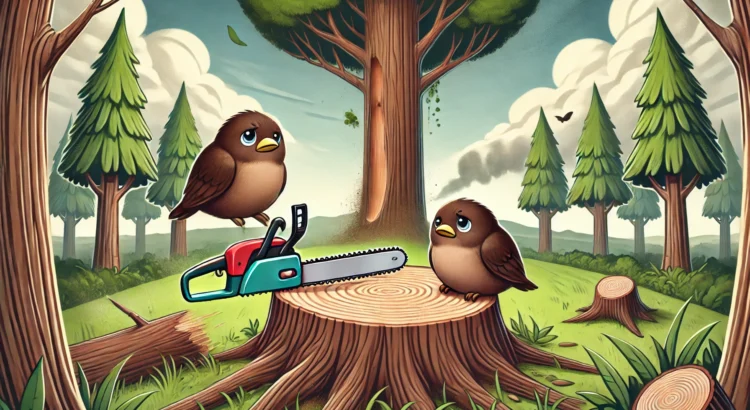
Tree removal can be essential for various reasons, from safety concerns and property maintenance to preparing land for new construction. However, every tree plays an essential role in the local ecosystem. Understanding the environmental impact of removing a tree can help us make informed decisions, minimizing negative effects on the environment.
Why Remove a Tree?
Trees are often removed when they’re dead, diseased, or pose risks to nearby structures. Sometimes, urban expansion or landscaping projects necessitate tree removal as well. While there are valid reasons, it’s essential to recognize that tree removal is not a decision to take lightly. Trees serve numerous ecological functions that benefit both our immediate surroundings and the planet as a whole.
The Environmental Role of Trees
Trees are crucial to a healthy ecosystem. Here’s a look at some of the ways they support the environment:
- Air Quality Improvement: Trees absorb carbon dioxide and release oxygen, filtering pollutants from the air.
- Soil Health: Tree roots stabilize the soil, preventing erosion. They also support a network of microorganisms that contribute to soil fertility.
- Water Conservation: Trees absorb and store rainwater, reducing runoff and the risk of flooding.
- Wildlife Habitat: Many animals rely on trees for shelter, food, and nesting. Removing a tree means disrupting a habitat.
Given these roles, removing a tree affects not only its immediate environment but also has a broader impact. Here are some important considerations before going forward with tree removal.
Things to Consider Before Tree Removal
- Assessing the Tree’s Health and Stability
Dead or diseased trees can be hazardous, especially during storms, as they may fall and cause property damage or injury. In such cases, removal might be the best option. Consulting an arborist can help determine whether a tree is salvageable or if its removal is necessary for safety reasons.
- Evaluating Environmental Impact
If the tree is a habitat for local wildlife, removing it could disrupt their ecosystem. Birds, squirrels, and insects might rely on the tree for food or shelter. Consider whether the tree’s removal will affect local biodiversity, and if so, explore ways to mitigate this impact, such as planting native shrubs or installing birdhouses to replace lost habitats.
- Choosing the Right Season
Timing plays a role in minimizing environmental disruption. Removing trees during early spring or fall, when wildlife activity is generally lower, can reduce the impact on animal populations. Additionally, trees are less stressed during these seasons, making it easier to recycle or repurpose the wood sustainably.
- Exploring Alternatives to Removal
If the tree poses a risk due to overgrowth or crowding, consider alternatives to complete removal. Trimming or pruning can help manage the tree without completely cutting it down. Additionally, thinning branches can allow more light to reach other plants, promoting overall ecosystem health.
- Plan for Replanting
If removing a tree is inevitable, consider replanting a new one in its place. Replacing trees is one of the most effective ways to offset environmental damage. While mature trees take years to grow, planting native species adapted to the local climate can help restore biodiversity over time.
- Responsible Disposal of Tree Debris
After removal, ensure that the wood and other materials are disposed of responsibly. Wood can be repurposed for mulch, firewood, or construction materials. Many communities have wood recycling programs that ensure the remains of removed trees are used sustainably rather than sent to a landfill.
The Importance of Sustainable Tree Care
While tree removal is sometimes necessary, it’s essential to approach it thoughtfully. Trees contribute significantly to our environment, and each one removed leaves a gap in the ecosystem. By considering factors like replanting, sustainable disposal, and the season of removal, you can help ensure your actions align with environmental stewardship. If looking for reputable tree removal in Columbia MO, consider Columbia Tree Co.
Final Thoughts
Tree removal is a complex decision with both immediate and long-term implications for the environment. By considering the broader ecological role of trees and taking steps to minimize impact, you can make more sustainable choices that support both property safety and environmental health. If you’re uncertain about your options, consulting a professional tree care company can help you navigate this process with care and responsibility.