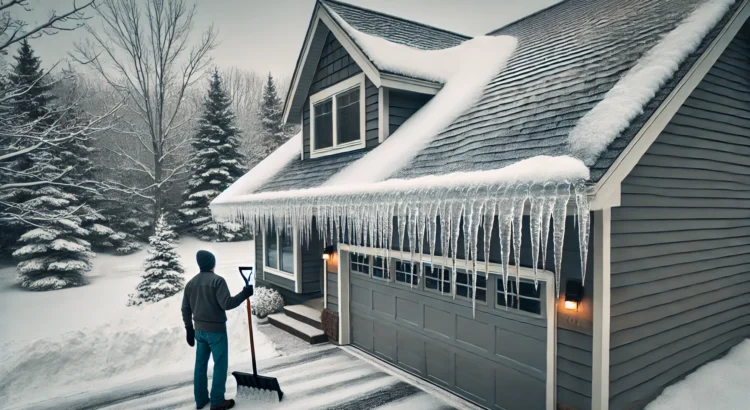
Winter in the Midwest can be unpredictable, with snowstorms, ice, and fluctuating temperatures putting stress on roofs. Homeowners in cities like Chicago, Indianapolis, St. Louis, and Milwaukee need to take extra precautions to keep their roofs in shape throughout the season. Here are some essential tips to help you prepare your roof for winter and avoid costly repairs down the line.
1. Inspect Your Roof for Damage Before Winter Arrives
As winter approaches, inspect your roof for any pre-existing damage. Even small issues, like cracked shingles or loose flashing, can worsen with the added weight of snow and ice. Walk around the perimeter of your home or hire a professional to do a detailed inspection. Pay attention to:
- Missing or cracked shingles: These can allow water to seep in, causing leaks or water damage.
- Flashing: Ensure flashing around chimneys, vents, and skylights is intact, as it helps prevent water infiltration.
- Gutters and downspouts: Clogged gutters can lead to ice dams, which cause water to back up onto your roof and under shingles.
A proactive roof inspection can save you from major headaches and expenses during winter storms, which are all too common in places like Detroit, Cleveland, and Kansas City.
2. Clean and Maintain Gutters to Avoid Ice Dams
Clogged gutters are one of the main causes of ice dams—thick ridges of ice that form along the edges of your roof and trap melting snow. When water has nowhere to go, it can seep under shingles and into your home, causing damage. To prevent this, make sure your gutters and downspouts are free of debris before the first snow.
- Remove leaves and debris: Clear out any leaves, twigs, and other debris that could block water flow.
- Install gutter guards: These can help keep larger debris out, reducing the frequency of cleanings.
- Ensure downspouts are angled properly: Downspouts should direct water at least five feet away from your home’s foundation.
Homeowners in Columbus, Ohio, and Minneapolis, Minnesota, know that snow can quickly pile up, so regular gutter maintenance is essential.
3. Trim Trees and Branches Near Your Roof
Heavy snow can cause overhanging branches to snap and damage your roof, especially in windy cities like Chicago. Trimming trees back can prevent branches from falling and help reduce the amount of debris that accumulates on your roof.
- Inspect for dead or weak branches: These are more likely to break under heavy snow.
- Trim branches back by at least six feet: This distance minimizes the risk of branches scraping against your roof during windy or snowy days.
Not only does this prevent potential damage, but it also helps to keep your roof cleaner during the winter.
4. Ensure Proper Attic Insulation and Ventilation
A well-insulated and ventilated attic is crucial in preventing ice dams and regulating your home’s temperature. Proper insulation helps to keep heat from escaping through the roof, while ventilation allows moisture to escape, reducing the risk of mold and mildew. Homes in cities like Madison, Wisconsin, and Omaha, Nebraska, experience frequent freeze-thaw cycles, which can lead to moisture buildup if the attic isn’t properly ventilated.
- Inspect your attic insulation: Check if your attic is adequately insulated, and consider adding more if necessary.
- Ensure vents are clear: Keep attic vents open and unobstructed for air circulation.
- Seal any leaks: Seal gaps around pipes, chimneys, and other openings to keep warm air from escaping into the attic.
This combination of insulation and ventilation helps keep your roof temperature consistent, reducing the risk of ice dams.
5. Consider Roof Heating Cables
If ice dams are a recurring issue, installing roof heating cables could be a good investment. These cables help melt snow along the edges of your roof, allowing it to drain properly through the gutters. They’re especially useful in areas that receive heavy snowfall, like Grand Rapids, Michigan, and Des Moines, Iowa.
- Choose the right cables: Consult a roofing professional to determine the best type of heating cable for your roof.
- Install strategically: Cables are typically installed along the roof’s edges, valleys, and gutters to keep ice from forming.
Although heating cables are an added expense, they can prevent damage that could be much costlier to repair.
6. Schedule a Roof Inspection in Mid-Winter
Heavy snow and ice can still cause damage even if you take all necessary precautions. In regions like Kansas City, where temperatures fluctuate, mid-winter inspections are especially beneficial. A mid-season inspection can catch any developing issues, like minor leaks or damaged shingles, allowing you to address them before they become major problems.
- Look for signs of wear and tear: Check for loose or cracked shingles, which can worsen in winter weather.
- Watch for signs of water damage: Any signs of water leaking inside could mean ice dams or broken shingles need immediate attention.
- Consider hiring a professional: Roofs can be hazardous to inspect in winter, so consider hiring an experienced roofer to check for you.
Final Thoughts
Winter weather in the Midwest can be harsh, especially on your roof. Regular inspections, maintenance, and preventive measures can keep your roof in good condition and reduce the risk of costly repairs. By following these tips, homeowners in cities like Milwaukee, St. Louis, and Chicago can enjoy the winter season with peace of mind, knowing their roofs are ready to handle the challenges ahead. If you are looking for a great roofing company, give RoofWorx of Wentzville a ring. They can answer any “winter” roofing question you may have.
Remember that a little preparation can go a long way in protecting your home. If you’re unsure about any of these steps, consult a professional roofer who can help ensure your roof is winter-ready.